Understanding Reclaimed Water Systems
In an era where water scarcity is an escalating concern, the significance of reclaimed water systems cannot be overstated. These systems play a pivotal role in managing water resources more sustainably by turning wastewater into a reusable form of water that can meet various needs across different sectors. By integrating advanced technologies, such as Membrane Bioreactor (MBR) systems and Ultrafiltration (UF) combined with Reverse Osmosis (RO), reclaimed water systems present innovative solutions for municipalities and industries looking to optimize their water usage while minimizing environmental impact.
What Are Reclaimed Water Systems?
Reclaimed water systems are designed to treat and recycle wastewater for various applications. This process involves the removal of contaminants and impurities from wastewater, rendering it suitable for reuse. Such systems are essential to addressing the challenges posed by increasing populations, urbanization, and climate change, all of which strain existing water resources. The primary goal of these systems is to convert wastewater into a safe and sustainable source of water, fulfilling essential functions such as irrigation, industrial processes, and even potable uses, depending on the level of treatment.
Benefits of Using Reclaimed Water
Utilizing reclaimed water offers numerous benefits that can significantly impact both environmental sustainability and economic efficiency:
- Resource Conservation: Reclaimed water reduces the demand for fresh water, preserving vital natural resources.
- Cost-Effectiveness: Using treated wastewater can lower water costs for municipalities and industries, particularly in regions facing water scarcity.
- Reduced Pollution: Treating and reusing wastewater lessens the burden on natural water bodies, contributing to improved water quality and ecosystem health.
- Enhanced Resilience: Reclaimed water systems can bolster community resilience during droughts or other water shortages by providing alternative water supplies.
Common Misconceptions About Reclaimed Water
There are several misconceptions about reclaimed water that can hinder its adoption. Common myths include:
- It Is Unsafe: Many people believe reclaimed water is contaminated; however, advanced treatment processes ensure it meets strict safety standards.
- It Smells Bad: Modern treatment technologies effectively eliminate odors, making reclaimed water indistinguishable from potable water in many cases.
- It Is Only for Irrigation: While widely used for agricultural purposes, reclaimed water is increasingly being utilized in industrial, recreational, and even potable applications.
Key Technologies in Reclaimed Water Systems
The effectiveness and efficiency of reclaimed water systems largely depend on the technologies employed in the treatment processes. Understanding these technologies is essential for comprehending how reclaimed water is produced and utilized.
Membrane Bioreactor (MBR) Technology
Membrane Bioreactor technology combines biological treatment with membrane filtration, providing a highly effective method for removing organic matter and pathogens from wastewater. MBR systems boast several advantages:
- High-Quality Effluent: The membrane filtration process captures even the smallest contaminants, producing high-quality water suitable for various applications.
- Space Efficiency: MBR systems require less physical space than traditional systems due to their compact design.
- Operational Flexibility: These systems can easily adapt to fluctuations in wastewater inflow and treatment requirements, making them suitable for dynamic environments.
Ultrafiltration (UF) and Reverse Osmosis (RO)
Ultrafiltration and Reverse Osmosis are critical components of many reclaimed water systems, particularly when high-quality outputs are necessary. Key distinctions include:
- Ultrafiltration (UF): This process removes suspended solids, bacteria, and some viruses, providing a strong pre-treatment step before Reverse Osmosis.
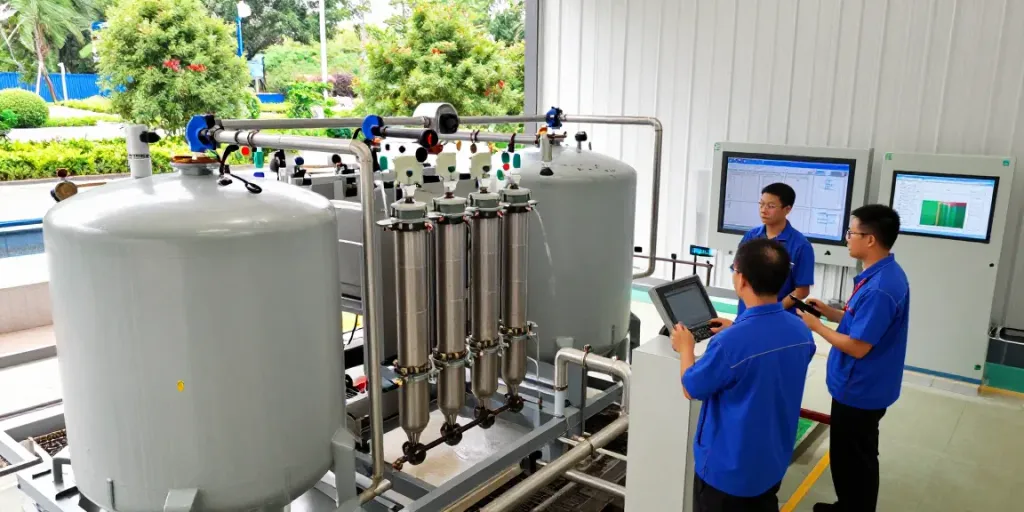
- Reverse Osmosis (RO): RO is a membrane-based technology that further purifies water by removing dissolved salts, organics, and a vast diversity of contaminants, resulting in near-distilled water quality.
Integration of Advanced Filtration Processes
To maximize efficiency, many reclaimed water systems employ a combination of MBR, UF, and RO technologies. This multi-barrier approach ensures robust treatment and can be tailored to meet specific water quality requirements based on the intended use. Additionally, advanced monitoring and control systems enhance operational efficiency and resource management, ensuring the treated water maintains consistent quality standards.
Applications for Reclaimed Water
The applications for reclaimed water are diverse and expanding, reflecting an increasing recognition of its value across various sectors.
Industrial Uses of Reclaimed Water
Many industries have begun incorporating reclaimed water into their operations. Typical applications include:
- Cooling Processes: Industries, particularly power and manufacturing sectors, utilize reclaimed water for cooling systems.
- Process Water: Treatment facilities provide reclaimed water for use in washing, processing, or even as a solvent in various industrial applications.
- Flushing Water: Reclaimed water can serve as an effective substitute for potable water in toilet flushing within industrial complexes.
Municipal Water Reuse Strategies
Municipalities worldwide are increasingly implementing water reuse strategies to augment their water supplies. Common municipal applications include:
- Irrigation: Parks, golf courses, and landscaping projects commonly use reclaimed water, preserving fresh water resources.
- Street Cleaning and Dust Control: Reclaimed water is an effective solution for municipal cleaning operations, mitigating dust and improving air quality.
- Potable Reuse: In some regions, treated reclaimed water is further purified and reintroduced into drinking water supplies, forming a closed-loop water system.
Environmental Benefits of Water Reclamation
Beyond its practical uses, the environmental benefits of reclaimed water systems are profound:
- Habitat Preservation: By reducing fresh water withdrawals, reclaimed water helps maintain natural habitats and ecosystems.
- Pollution Reduction: Utilization of reclaimed water lessens the discharge of untreated wastewater into water bodies, thus protecting aquatic environments.
- Carbon Footprint Mitigation: Efficient water reuse contributes to lower energy consumption associated with water treatment and transport, aiding in climate change mitigation efforts.
Challenges and Solutions in Implementing Reclaimed Water Systems
While the potential benefits of reclaimed water systems are significant, various challenges must be addressed for successful implementation.
Addressing Regulatory Compliance and Safety
Regulatory compliance is crucial in the water reuse sector. Ensuring that reclaimed water meets established safety standards can be complex due to varying regulations across regions. Collaborative efforts between industry stakeholders, regulatory bodies, and scientists are essential to develop comprehensive guidelines. Additionally, strong public education campaigns can demystify the safety of reclaimed water and build public trust.
Overcoming Technical and Infrastructure Hurdles
The integration of reclaimed water systems into existing infrastructure poses technical challenges. Upgrading outdated treatment facilities, enhancing distribution networks, and ensuring compatibility with current water systems requires significant investment and planning. Adopting modular and containerized solutions may offer a flexible and scalable approach, allowing for easier integration into existing setups.
Community Acceptance and Public Awareness
Public perception remains a significant hurdle for reclaimed water systems. Many communities are apprehensive about using treated wastewater due to concerns about safety and quality. To cultivate acceptance, transparency about treatment processes and successful case studies are imperative. Engaging community members in discussions about water reuse can foster understanding and encourage support for reclaimed water initiatives.
Future Trends in Reclaimed Water Systems
The future of reclaimed water systems is promising, driven by innovations and changing societal attitudes toward sustainable water usage.
Innovations Shaping the Industry by 2026
As technology continues to evolve, several trends are projected to shape the reclaimed water industry:
- Enhanced Treatment Technologies: Advancements in filtration and disinfection processes will continue to improve the safety and quality of reclaimed water.
- Smart Water Management: Integration of IoT and smart technologies will enable real-time monitoring of water quality and system performance, optimizing operations.
- Decentralized Systems: The trend toward decentralized water treatment systems will empower local communities to manage their water resources more effectively.
The Role of AI and Data Analytics in Management
Artificial Intelligence (AI) and data analytics will play an increasingly important role in managing reclaimed water systems. These technologies will improve decision-making regarding water resource allocation, maintenance scheduling, and performance monitoring. The ability to analyze vast amounts of data in real-time will facilitate proactive management and rapid response to issues, ensuring system reliability and efficiency.
Long-term Sustainability Goals and Water Security
The global emphasis on sustainability and climate resilience will further drive the adoption of reclaimed water systems. As water scarcity becomes more pressing, innovative solutions that integrate reclaimed water into urban planning and infrastructure development will be vital for securing water supplies. Policymakers and industry leaders must collaborate to develop sustainable frameworks that support the growth and viability of reclaimed water systems.
What does "reclaimed water system" mean?
A reclaimed water system is a set of processes and technologies designed to treat wastewater so that it can be reused for various applications, including irrigation, industrial processes, and potentially even as potable water, depending on the treatment level.
Is reclaimed water cheaper than regular water?
In many cases, reclaimed water can be cheaper than regular water, particularly in regions facing water scarcity. It provides a sustainable alternative that can reduce reliance on expensive freshwater sources and mitigate the costs associated with water shortages.
How does a water reclaim system work?
A water reclaim system typically uses a series of treatment processes, including biological treatment, filtration, and chemical disinfection, to remove contaminants from wastewater, making it suitable for reuse. Technologies such as MBR, UF, and RO are commonly employed to enhance the quality and safety of the reclaimed water.
What are the disadvantages of using recycled water?
Some disadvantages of using recycled water include potential public apprehension, the need for infrastructure investment, and compliance with regulatory standards. Addressing these concerns through education and transparent communication is crucial for broader acceptance.
Who benefits from reclaimed water systems?
Reclaimed water systems benefit a wide range of stakeholders, including municipal authorities, industries, agricultural sectors, and the environment. They contribute to water conservation, reduce pollution, and promote sustainable practices, ultimately enhancing community resilience and quality of life.