The Role of CNC Machining in Aerospace Manufacturing
The aerospace industry demands the highest levels of precision, efficiency, and reliability, making CNC machining an essential technology in the manufacturing process. CNC, or Computer Numerical Control machining, allows for the creation of intricate parts used in various aerospace applications, from engines to landing gear. With the industry's focus on reducing weight while maintaining strength, the use of CNC machining technology has become increasingly crucial. When exploring options, leading aerospace cnc parts manufacturers offer advanced solutions that address these needs effectively.
Understanding CNC Machining Technologies
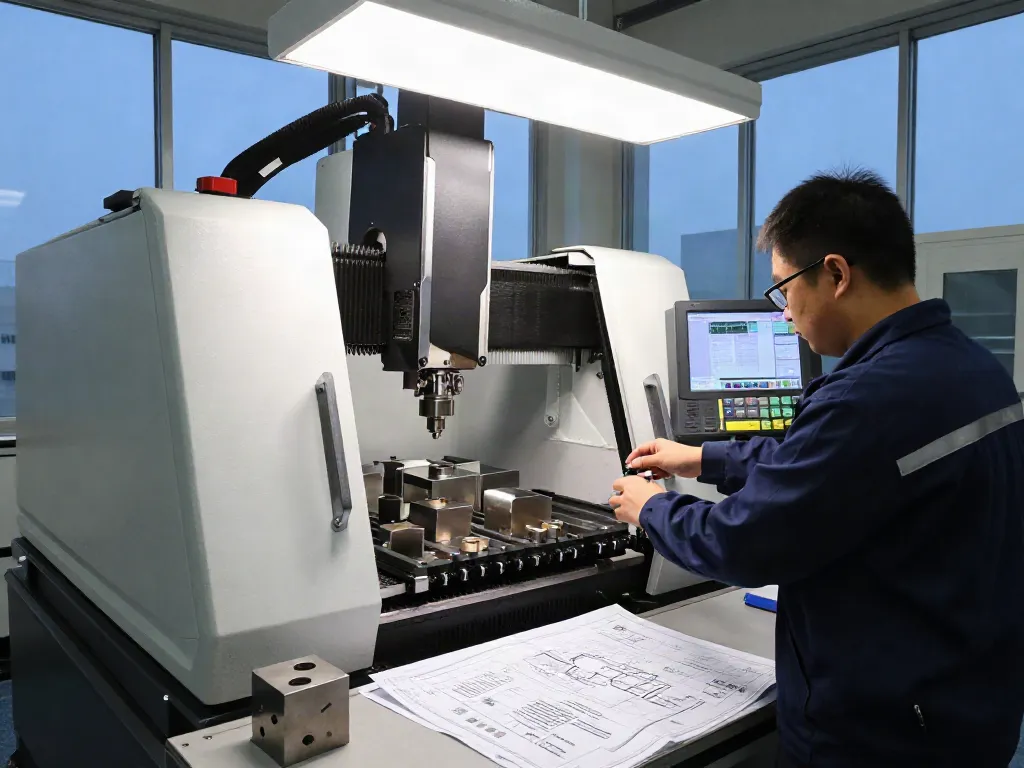
CNC machining technologies encompass various processes, including milling, turning, and electrical discharge machining (EDM). Each method utilizes computerized controls to achieve precision and repeatability, which are paramount in aerospace manufacturing. CNC milling, for example, involves removing material from a workpiece using rotating tools, allowing for complex shapes and designs that would be challenging with traditional machining techniques. CNC turning, on the other hand, focuses on creating cylindrical parts by rotating the material against a cutting tool.
Benefits of CNC Machining for Aerospace Applications
The benefits of CNC machining in aerospace applications are numerous, including:
- Precision: CNC machines can achieve tolerances of ±0.001 inches or better, which is vital for safety-critical parts.
- Repeatability: Once a CNC program is set, thousands of parts can be manufactured with identical specifications.
- Material efficiency: CNC machining minimizes waste by utilizing advanced tooling and strategies that require less material.
- Speed: CNC processes can significantly reduce production times compared to traditional methods.
Common Myths about CNC Machining in Aerospace
Despite its advantages, misconceptions about CNC machining persist. One common belief is that CNC machining is only suited for mass production. In reality, it is also highly effective for rapid prototyping, allowing manufacturers to test and iterate designs quickly before committing to larger production runs. Another myth is that CNC machining is excessively costly, whereas automated setups can lead to cost savings in the long run by increasing efficiency and reducing labor costs.
Precision Aerospace Parts: Materials and Processes
The materials used in aerospace CNC machining significantly impact the performance and durability of the final product. Manufacturers often choose materials based on the specific requirements of each component.
Key Metal Materials Used in Aerospace CNC Machining
Several metal materials are commonly utilized in aerospace applications due to their desirable properties:
- Aluminum: Lightweight with excellent corrosion resistance.
- Titanium: Known for its high strength-to-weight ratio and resistance to extreme temperatures.
- Stainless Steel: Offers durability and resistance to corrosion.
- Nickel Alloys: Ideal for high-temperature applications, such as turbine engines.
Common Plastic Materials for Aerospace Components
In addition to metals, various plastics are employed in aerospace manufacturing due to their lightweight and versatile properties. Commonly used plastics include:
- Polycarbonate (PC): High impact resistance and clarity.
- Polyamide (PA): Excellent mechanical properties and heat resistance.
- PVC: Versatile with good chemical resistance.
- PEEK: Known for its strength and thermal stability in demanding environments.
Choosing the Right Material for Your Aerospace Project
Selecting the appropriate material for aerospace components involves assessing factors such as weight, strength, and resistance to environmental conditions. Collaborating with experienced manufacturers who specialize in aerospace CNC machining can streamline this decision-making process, ensuring optimal choices based on the specific application requirements.
Challenges Faced by Aerospace CNC Parts Manufacturers
While CNC machining offers many benefits, manufacturers in the aerospace sector face unique challenges that require innovative solutions.
Navigating Compliance Standards in Aerospace Manufacturing
Aerospace manufacturing is heavily regulated, with strict compliance standards such as AS9100 and ISO 9001:2015 governing operational practices. Staying compliant necessitates rigorous quality control and documentation, placing an additional burden on manufacturers.
Addressing Common Manufacturing Obstacles
Manufacturers often encounter obstacles such as material shortages, equipment downtime, and workforce skill gaps. These challenges can lead to delays and increased production costs. Implementing preventive maintenance and investing in employee training are effective strategies to mitigate these issues.
Strategies for Overcoming Production Challenges
To tackle the challenges inherent in aerospace CNC machining, manufacturers can adopt several best practices:
- Investing in technology: Embracing advanced CNC machines with automation capabilities can enhance efficiency and reduce cycle times.
- Collaboration: Working closely with suppliers to secure material availability can minimize delays.
- Flexible manufacturing: Adopting a flexible approach allows manufacturers to quickly adjust to changing demands.
Emerging Trends in Aerospace CNC Machining for 2026
The aerospace industry is constantly evolving, and several trends are shaping the future of CNC machining.
Innovations in CNC Technologies
Innovative technologies such as additive manufacturing and advanced robotics are making significant strides in aerospace CNC machining. These technologies improve component design and reduce production time while maintaining high quality.
The Rise of Automation in Aerospace Manufacturing
Automation is set to revolutionize the aerospace manufacturing landscape. Advanced CNC systems equipped with artificial intelligence (AI) enable predictive maintenance, ensuring machines operate at peak efficiency while minimizing downtime.
Future Predictions for Aerospace Part Production
As the demand for lightweight and durable materials grows, manufacturers will likely turn to new composite materials and hybrid processes that combine CNC machining with additive techniques. This innovation will further enhance the capabilities of aerospace parts and components.
Choosing the Right Aerospace CNC Parts Manufacturer
When seeking a partner for aerospace CNC machining, careful evaluation of potential manufacturers is paramount.
Evaluating Manufacturer Capabilities and Certifications
It's essential to review a manufacturer’s certifications and capabilities. Look for ISO certifications (such as ISO 9001 and AS9100), which indicate adherence to high-quality manufacturing standards.
How to Assess Quality and Reliability
Consider the manufacturer's experience in the industry, customer reviews, and case studies showcasing successful projects. Manufacturers who have worked with leading aerospace companies are likely to understand the unique demands of the sector.
Case Studies: Successful Aerospace CNC Projects
Reviewing case studies can provide insights into a manufacturer’s performance, showcasing their ability to deliver precision parts on time and within budget. This can be particularly beneficial when assessing capabilities for high-stakes aerospace applications.
What are the top aerospace CNC parts manufacturers?
Identifying leading aerospace CNC parts manufacturers involves researching industry rankings, certifications, and reviews. Companies such as Boeing, Lockheed Martin, and others regularly appear at the top due to their stringent quality standards and innovative capabilities.
How does CNC machining benefit the aerospace industry?
The primary benefits of CNC machining for aerospace applications include improved precision, repeatability, and material efficiency. These factors contribute to the overall safety and reliability of aerospace components.
What materials are commonly used in aerospace CNC machining?
Aerospace CNC machining commonly uses materials like aluminum, titanium, and various plastics, each chosen for their unique properties required in demanding applications.
What challenges do aerospace manufacturers face today?
Aerospace manufacturers today grapple with regulatory compliance, material availability, and the need for skilled labor, all of which can impact production efficiency.
What trends are shaping the future of aerospace manufacturing?
Future trends include increased automation, the integration of additive manufacturing, and the use of advanced materials to meet the ongoing demands for lightweight and durable components.