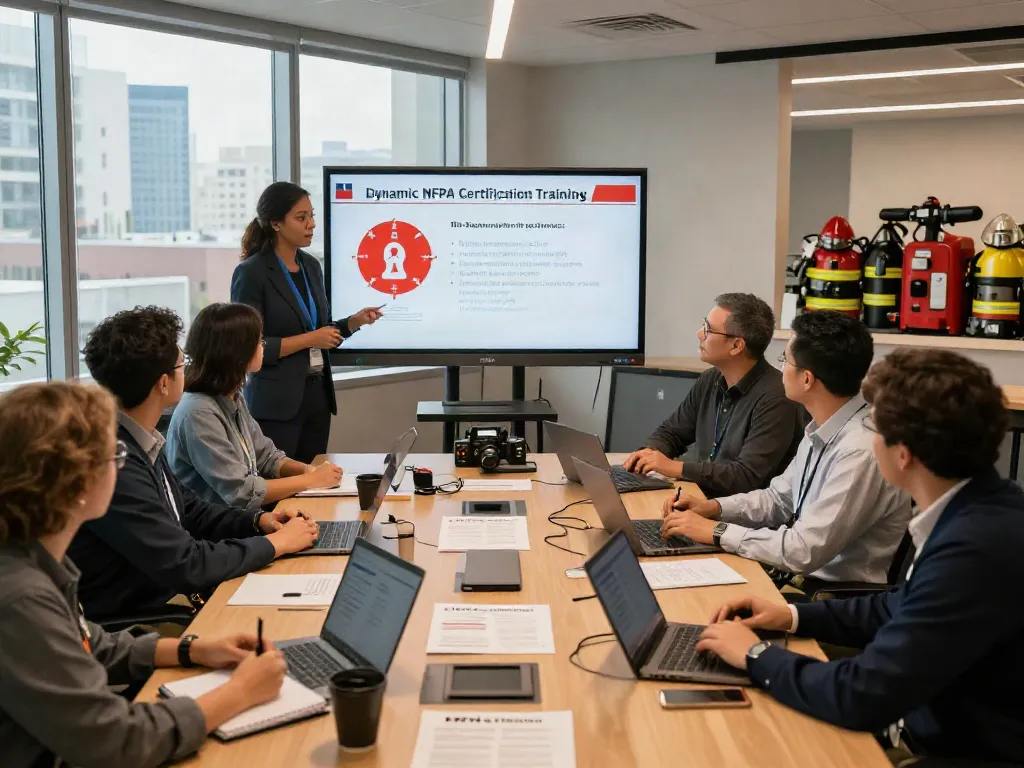
Understanding NFPA Certification Training
In today's rapidly evolving workplace, ensuring safety is not merely a regulatory requirement but a fundamental aspect of operational integrity. For organizations looking to enhance their fire safety protocols and emergency preparedness, NFPA Certification Training serves as an invaluable asset. This training equips professionals with essential skills to mitigate risks associated with fire and electrical hazards, thereby fostering a culture of safety and compliance across various industries.
What is NFPA Certification Training?
The National Fire Protection Association (NFPA) provides certification training that focuses on establishing standards for fire safety, prevention, and risk management. This training is designed for professionals across multiple sectors, including construction, manufacturing, and hospitality, aiming to instill a thorough understanding of fire safety regulations and best practices. Completing NFPA certification signifies that an individual has met rigorous criteria and is knowledgeable about the latest codes, standards, and practices in fire protection.
Benefits of NFPA Certification Training for Organizations
Investing in NFPA certification training offers numerous advantages for organizations, including:
- Enhanced Safety Culture: With trained personnel, organizations foster an environment where safety is prioritized, reducing the likelihood of accidents and injuries.
- Regulatory Compliance: Completing NFPA training helps organizations meet local and international regulatory standards, minimizing the risk of legal liabilities.
- Improved Emergency Preparedness: Trained staff can respond more effectively during emergencies, which can save lives and property.
- Increased Operational Efficiency: Understanding fire safety standards leads to optimized procedures, reducing downtime from incidents.
- Professional Development: Employees with NFPA certification demonstrate commitment to their roles, enhancing their career prospects.
Key Components of NFPA Training Programs
NFPA training programs include various components designed to ensure comprehensive learning and application:
- Theoretical Knowledge: Participants learn about fire safety standards, codes, and compliance requirements.
- Practical Application: Hands-on training sessions simulate real-life scenarios, allowing participants to practice responses to fire emergencies.
- Assessment and Certification: After completing the training, participants undergo assessments to validate their understanding and skills, leading to certification.
- Continued Learning: NFPA encourages continuous education and professional development to keep participants updated on evolving standards.
The Importance of Fire Safety Standards
Overview of the National Fire Protection Association
Established as a nonprofit organization over 125 years ago, the National Fire Protection Association has grown to be the leading authority in fire safety. From its inception in Boston, NFPA has developed a comprehensive suite of codes and standards that guide industries in preventing hazards related to fire and electrical safety. The organization’s commitment to research, education, and advocacy has made it a trusted leader in safety knowledge globally.
Global Fire Safety Standards Impact
Global fire safety standards established by NFPA have a profound impact on multiple levels:
- Standardization: NFPA’s codes create a uniform benchmark for fire safety, ensuring consistency in protection measures across industries.
- Technology Adoption: As new technologies emerge, NFPA updates its standards, promoting their adoption for enhanced safety measures.
- International Collaboration: NFPA works with international organizations to harmonize fire safety practices worldwide, fostering a global safety culture.
Understanding Compliance and Liability
Compliance with NFPA standards significantly reduces the risk of liability in the event of a fire-related incident. Organizations that fail to adhere to these standards may face not only legal repercussions but also damage to their reputation. By investing in NFPA training, businesses can establish best practices that ensure compliance, thereby protecting their assets and workforce.
Implementing NFPA Training in Your Organization
Steps to Begin NFPA Certification Training
Organizations can take several key steps to initiate NFPA certification training for their employees:
- Assess Training Needs: Identify specific areas where training is necessary based on the industry and current safety protocols.
- Choose an Authorized Provider: Partner with an accredited NFPA training provider, such as Burraq Consulting, to ensure quality instruction and relevant course materials.
- Develop a Training Schedule: Create a training timeline that accommodates employee availability and operational demands.
- Monitor Progress: Track employee participation and performance to ensure the effective implementation of training.
Choosing the Right Training Provider
Selecting an authorized NFPA training provider is crucial for ensuring quality education. Consider the following factors:
- Accreditation: Ensure the provider is officially recognized by NFPA to offer certified training.
- Instructor Qualifications: Verify that instructors have extensive experience in fire safety and risk management.
- Customization Options: Look for providers who can tailor courses to meet specific organizational needs.
- Training Methods: Evaluate the delivery methods available, such as in-person, online, or hybrid training options.
Scheduling and Flexibility for Employee Training
Flexibility in scheduling training sessions is vital for maximizing employee participation. Many NFPA training providers offer:
- On-Site Training: Conduct training directly at the organization’s location, minimizing travel costs and time.
- Group Training Discounts: Save costs by enrolling multiple employees at once.
- On-Demand Content: Provide access to recorded sessions, allowing employees to complete training at their pace.
Real-World Applications of NFPA Training
Case Studies: Success Stories from NFPA Training
Various organizations have successfully implemented NFPA training, leading to significant improvements in safety and compliance. For example, a manufacturing company reported a 40% reduction in fire-related incidents after certifying its safety team through NFPA training. Implementation of NFPA standards ensured that employees were better prepared for emergencies and familiar with evacuation procedures, resulting in safer work environments.
How NFPA Training Improves Emergency Preparedness
Emergency preparedness is a critical factor in workplace safety. NFPA training equips teams with knowledge and skills to effectively respond to emergencies. Training includes simulations that mirror potential fire scenarios, allowing employees to practice evacuation routes and emergency communication protocols. As a result, organizations often see faster response times and improved coordination during real emergencies.
Integrating NFPA Training with ISO Standards
Organizations that operate under ISO standards can enhance their safety programs by integrating NFPA training into their compliance efforts. Both NFPA standards and ISO guidelines emphasize the importance of risk assessment, documentation, and continuous improvement. Training staff in both areas ensures a unified approach to achieving safety excellence.
Future Trends in Fire Safety and NFPA Training
Emerging Fire Safety Technologies in 2026
As technology continues to evolve, future fire safety practices will undoubtedly incorporate cutting-edge innovations. The increased use of artificial intelligence and machine learning in fire detection systems is expected to enhance early warning capabilities and improve response strategies. Such advancements will necessitate updated training programs to ensure that employees are proficient in utilizing these technologies effectively.
Predictions for NFPA Training Evolution
The future of NFPA training is likely to see a shift towards more interactive and immersive learning experiences. Virtual reality (VR) and augmented reality (AR) could play significant roles in delivering lifelike training scenarios, allowing trainees to engage in realistic environments where they can practice their skills without actual risk.
Preparing for Changes in Safety Regulations
As safety regulations evolve, organizations must remain proactive in updating their training programs. Regular assessments of NFPA standards and compliance requirements will help organizations stay ahead of regulatory changes, ensuring that their staff is always well-prepared.
How do I become NFPA certified?
To become NFPA certified, individuals typically need to complete an authorized training program and pass a certification exam. The process may vary depending on the specific certification sought, such as Certified Fire Protection Specialist (CFPS) or other specialized paths within the NFPA framework.
Are NFPA certifications worth it?
NFPA certifications are highly regarded in the industry, often enhancing employability and professional standing. Organizations and potential employers recognize the value of NFPA certification as a benchmark for expertise in fire safety.
How long does it take to get NFPA certification?
The timeline for obtaining NFPA certification can vary based on individual readiness and the training provider's schedule. Many programs can be completed within a few days to weeks, depending on the intensity and format of the course.
How much does NFPA certification cost?
The cost of NFPA certification varies by training provider and the specific certification path. On average, individuals can expect to invest a few hundred to several thousand dollars, which often includes training materials and exam fees.
What industries benefit the most from NFPA training?
NFPA training is beneficial across various industries, particularly those that face higher risks related to fire and safety, such as manufacturing, construction, healthcare, and hospitality. Organizations in these sectors find that investing in NFPA certification not only enhances safety but also improves overall operational efficiency.