Understanding Esophageal Cancer Treatment Options
Esophageal cancer, a disease that develops in the esophagus—the long, hollow tube that runs from the throat to the stomach—affects thousands of individuals each year. Understanding the various treatment modalities available is crucial for patients and their families navigating this challenging health journey. When exploring options, esophageal cancer treatment can encompass a combination of surgery, chemotherapy, and radiation therapy tailored to each patient’s unique case. The multifaceted nature of treatment requires close collaboration among medical professionals and a clear understanding of the disease itself.
Common Types of Esophageal Cancer
There are two main types of esophageal cancer:
- Squamous Cell Carcinoma: This type arises from the squamous cells lining the esophagus and is often associated with risk factors such as smoking and alcohol consumption.
- Adenocarcinoma: Originating from glandular cells often located in the lower esophagus, this type is frequently linked to chronic gastroesophageal reflux disease (GERD) and obesity.
Overview of Treatment Modalities
The treatment for esophageal cancer typically involves more than one approach and may vary significantly based on the cancer stage and patient health. Here are the most common treatment modalities:
- Surgery: Often considered the most effective curative treatment, surgery may involve removing part or all of the esophagus through procedures such as esophagectomy.
- Chemotherapy: Utilized to shrink tumors and kill cancer cells, chemotherapy can be administered before surgery (neoadjuvant) or after (adjuvant) to increase the chances of a successful treatment outcome.
- Radiation Therapy: This treatment uses high-energy rays to target and destroy cancer cells, particularly beneficial when combined with chemotherapy.
- Immunotherapy: An emerging treatment option that helps the body's immune system recognize and fight cancer cells, particularly effective in advanced stages.
How Treatment Options are Tailored
Individualized treatment plans are essential in providing effective care. The medical team evaluates various factors, including the cancer stage, overall health, and personal preferences, to determine the best course of action. A multidisciplinary approach ensures comprehensive care, integrating insights from surgeons, oncologists, radiologists, and other specialists.
Recent Advances in Esophageal Cancer Treatment Practices
Innovative Surgical Techniques in 2026
Recent advancements in surgical techniques have significantly improved outcomes for patients undergoing treatment for esophageal cancer. Techniques such as minimally invasive esophagectomy have reduced recovery times and complications, allowing patients to resume normal activities more quickly. Robotic surgery, which provides surgeons with enhanced precision and control, is also becoming increasingly common.
Breakthroughs in Chemotherapy and Radiation
Innovative chemotherapy regimens combining traditional drugs with targeted therapies have been shown to improve survival rates. Similarly, radiation therapy techniques, such as stereotactic body radiation therapy (SBRT), offer greater precision, allowing for higher doses of radiation to be concentrated on tumors while minimizing damage to surrounding healthy tissue.
Emerging Therapies: Immunotherapy and Targeted Treatment
Immunotherapy has gained significant traction in recent years, with clinical trials demonstrating promising results in patients with unresectable or metastatic esophageal cancer. Targeted therapies aimed at specific genetic mutations within tumors are also being investigated, offering hope for more effective treatment options.
Multidisciplinary Approach to Esophageal Cancer Care
The Role of Tumor Boards in Treatment Planning
At Cleveland Clinic Abu Dhabi, the esophageal cancer program features a dedicated tumor board that meets weekly to discuss complex cases. This collaborative setting allows specialists from various disciplines to contribute their expertise, ensuring that patients receive the most comprehensive and personalized treatment plans possible.
Integrating Supportive Services for Better Outcomes
Supporting services play a critical role in the overall care strategy. Services such as nutrition counseling, psychological support, and pain management are integrated into treatment, addressing the holistic needs of patients and improving their quality of life during and after treatment.
Collaboration with Cleveland Clinic US's Experts
The Cleveland Clinic Abu Dhabi works in close collaboration with the Cleveland Clinic in the United States, sharing knowledge and resources to enhance treatment options. This partnership not only allows for the exchange of best practices but also enables patients to access cutting-edge clinical trials and state-of-the-art treatment facilities.
Risk Factors, Symptoms, and Diagnosis of Esophageal Cancer
Identifying Common Symptoms Early
Early detection is crucial for improving treatment outcomes. Common symptoms of esophageal cancer can include:
- Difficulties swallowing (dysphagia)
- Unexplained weight loss
- Chest pain or discomfort
- Persistent cough or hoarseness
Potential Causes and Risk Factors
Although the exact causes of esophageal cancer remain unclear, several factors can increase the risk of developing this condition. These include:
- Chronic acid reflux or GERD
- Smoking and excessive alcohol intake
- Obesity
- Age and family history
Diagnostic Procedures for Accurate Assessment
Diagnosing esophageal cancer typically involves a combination of tests, including:
- Endoscopy: Allows doctors to examine the esophagus and take biopsies.
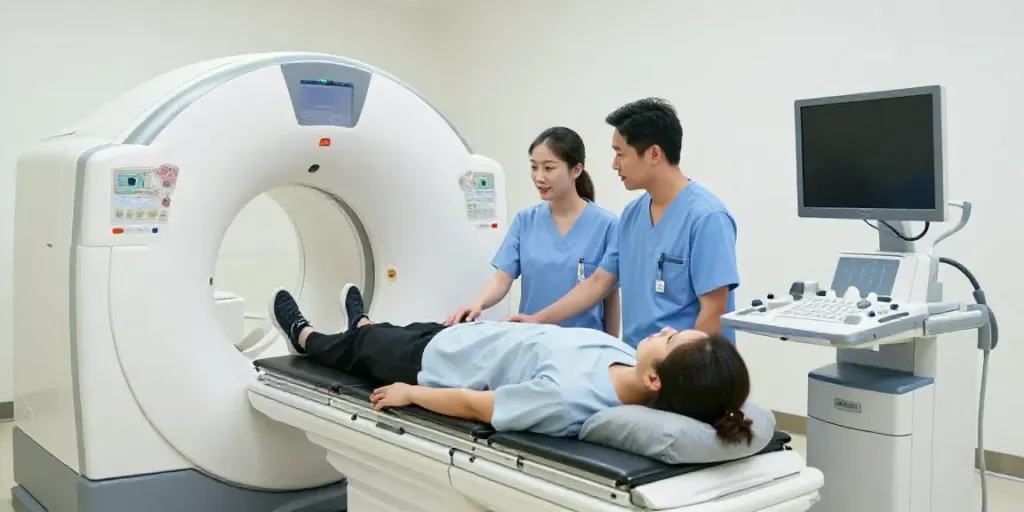
- Imaging tests: Such as CT scans and PET scans to assess the extent of cancer spread.
- Esophageal ultrasound: Provides detailed images and helps in determining cancer stage.
Patient Experience and Support Throughout Treatment
What Patients Can Expect During Treatment
Patients undergoing treatment for esophageal cancer can expect a thorough evaluation of their condition and a tailored treatment plan that incorporates their preferences and needs. Regular follow-up appointments with healthcare providers ensure that treatment is closely monitored and adjusted as necessary.
Emotional and Psychological Support Resources
The emotional toll of cancer diagnosis and treatment can be profound. Cleveland Clinic Abu Dhabi offers psychological support services that include counseling and support groups to help patients and their families navigate the emotional challenges associated with cancer treatment.
Success Stories: Patients Who Overcame Esophageal Cancer
Many patients have successfully overcome esophageal cancer through timely diagnosis and comprehensive treatment. Inspirational stories from survivors underscore the importance of early detection, multidisciplinary care, and patient resilience throughout their treatment journey.
What Diagnostic Tests are Used?
Diagnostic tests play a crucial role in determining the presence and stage of esophageal cancer. Commonly used tests include endoscopy, imaging studies, and biopsies that assist in formulating an accurate diagnosis and effective treatment strategy.
How is Esophageal Cancer Treated in Different Stages?
Esophageal cancer treatment varies widely based on the stage of the disease:
- Stage I: Surgery is often sufficient.
- Stage II: May require a combination of surgery and chemotherapy.
- Stage III: Often involves a more aggressive approach, including simultaneous chemotherapy and radiation.
- Stage IV: Palliative care becomes essential to manage symptoms and maintain quality of life.
Is there Hope for Advanced Esophageal Cancer?
While advanced esophageal cancer poses significant treatment challenges, ongoing research into new therapies, including immunotherapy and targeted treatments, offers hope for improved survival rates and quality of life.
What are the Risk Factors for Esophageal Cancer?
Understanding the risk factors is vital for prevention strategies. Key risk factors include lifestyle choices such as smoking and diet, as well as genetic predispositions.
How Do I Know if I Have Esophageal Cancer?
Individuals experiencing symptoms associated with esophageal cancer, particularly those at high risk, should discuss their concerns with a healthcare provider. Early detection improves treatment outcomes significantly.
What is the Role of Nutrition in Esophageal Cancer Recovery?
Nutrition plays a pivotal role in recovery from esophageal cancer. A balanced diet can help strengthen the immune system, promote healing, and improve overall well-being during treatment.