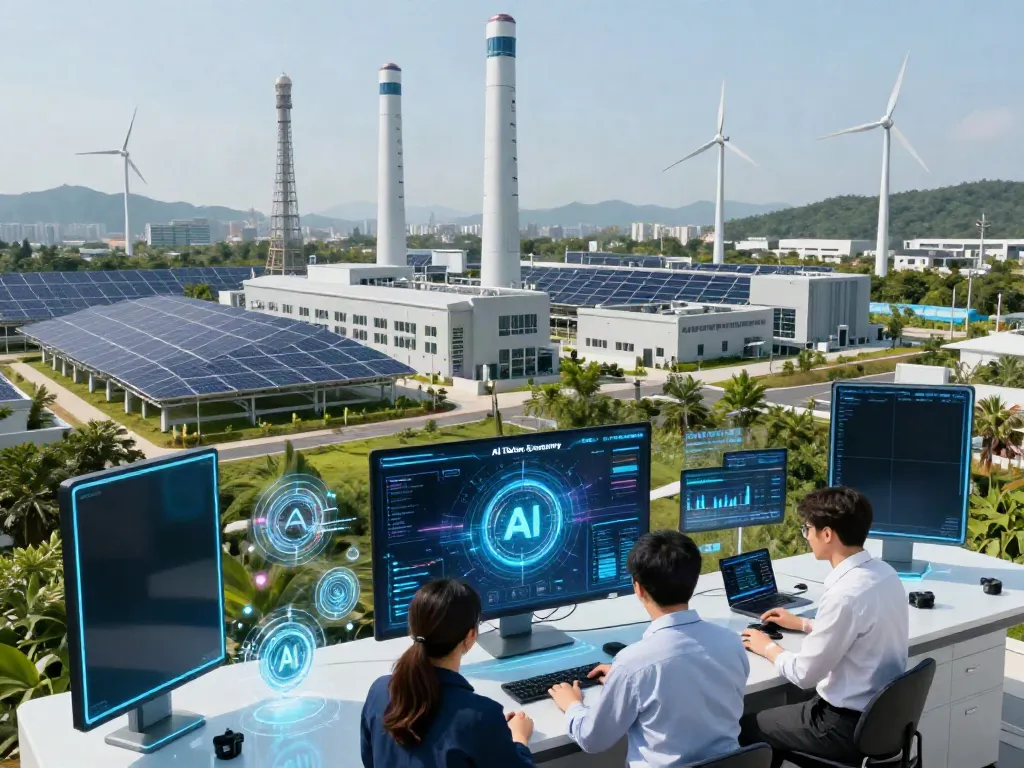
The Fundamentals of the AI Token Economy
The AI Token Economy is rapidly evolving, reshaping the landscape of artificial intelligence and infrastructure. As more businesses and individuals look to capitalize on the advancements in AI, understanding the mechanics that drive this economy becomes crucial. At its core, the AI Token Economy revolves around the use of tokens as units of measure for AI functionality and value. These tokens play a pivotal role in facilitating transactions, incentivizing participants, and ensuring that the power of AI is harnessed efficiently. When exploring options, AI Token Economy provides comprehensive insights into how this ecosystem operates.
Understanding AI Tokens and Their Functionality
AI tokens are essentially the atomic units that represent the computational effort needed for AI tasks. Each token corresponds to a specific amount of processing power used when an AI model is run, much like how kilowatt-hours measure electricity usage. This structure allows for transparent tracking of AI usage, as every interaction with AI systems generates a certain number of input tokens and results in output tokens. This tokenization of AI tasks streamlines billing, ensuring users pay only for what they consume.
The Role of Power in AI Token Generation
Power is a critical component of the AI Token Economy, as AI models require significant energy to operate. The relationship between power consumption and token generation is direct; the more compute power utilized for processing, the more tokens are generated. This interplay underscores the importance of robust and efficient energy infrastructure to support AI workloads. Companies that can effectively manage their energy consumption while maximizing AI processing power are better positioned to thrive in this economy.
Key Players in the AI Token Ecosystem
The AI Token Economy is supported by a diverse range of players, including AI developers, data center operators, power providers, and end users. AI developers create the algorithms and models that consume and generate tokens, while data centers provide the necessary compute power and infrastructure. Power providers ensure that these facilities have the electricity they need to operate efficiently. Each participant plays a crucial role in ensuring the economy functions smoothly, contributing to a cycle of production and consumption that's economically beneficial.
How AI Infrastructure Drives the Token Economy
AI infrastructure serves as the backbone of the AI Token Economy, providing the necessary resources for models to operate effectively. This infrastructure includes everything from hardware like GPUs to the software that manages token distribution and power allocation.
Connecting Power Resources with AI Operations
Efficient AI operations depend on well-coordinated connections between power resources and computational needs. These connections require sophisticated management systems that can dynamically allocate power based on real-time demand from AI workloads. By ensuring that GPU farms are powered effectively, businesses can optimize their cost-to-performance ratios, ultimately leading to a more prosperous token economy.
Scalable Infrastructure for AI Demand
The scalability of AI infrastructure is essential to meet the increasing demand for AI services. As AI applications proliferate, the underlying infrastructure must be able to scale accordingly. This scalability is often supported by cloud-based solutions that allow for flexible resource allocation based on current needs. By leveraging scalable infrastructure, organizations can quickly respond to changes in demand while maintaining their operational efficiency.
Challenges in Building AI-Ready Power Solutions
Despite the advancements in technology, numerous challenges remain in building AI-ready power solutions. These challenges include managing fluctuating power costs, ensuring the reliability of energy sources, and addressing environmental concerns regarding power consumption. Additionally, the need for advanced cooling solutions for high-density GPU computing complicates infrastructure development. Organizations must navigate these hurdles while striving to create a sustainable model for AI token generation.
Choosing the Right AI Infrastructure Power Plan
To effectively participate in the AI Token Economy, selecting the right infrastructure power plan is critical. This choice can significantly affect an organization's ability to thrive within the ecosystem.
Evaluating Power Plans for Effective Participation
When evaluating power plans, it is essential to consider factors such as price, scalability, and flexibility. Different plans cater to various levels of power support, so organizations need to assess their current and future AI demand to ensure they choose a plan that aligns with their operational goals. Furthermore, organizations should look for plans that offer transparent tracking of power usage and correlating token generation to maximize their contribution rewards.
Calculating and Maximizing Contribution Rewards
Understanding how contribution rewards are calculated is vital for participants in the AI Token Economy. Typically, rewards are based on the amount of power supplied relative to the total electricity consumed by AI workloads. By actively managing their power contributions and optimizing their usage patterns, participants can enhance their rewards, making participation in the token economy more financially rewarding.
Comparing Key Features Across Power Plans
Comparing the key features of various power plans offers insights into which plan best meets an organization's needs. Aspects to consider include the duration of the plan, the flexibility to upgrade or downgrade, and the specific metrics used for reward calculation. This analysis not only aids in selecting the right plan but also enhances overall strategies for maximizing contributions and benefits within the AI Token Economy.
Real-World Applications of AI Tokens
The practical applications of AI tokens are extensive, impacting a range of industries from finance to healthcare, and demonstrating how this economy translates into real-world value.
Case Studies of Successful AI Token Implementations
Numerous companies have successfully integrated AI tokens into their operational models. For instance, an enterprise AI service provider may use tokens to charge clients based on the complexity and duration of AI workloads. These successful implementations offer valuable lessons on maximizing infrastructure efficiency while providing insights into the economic viability of AI tokens.
The Impact of AI Tokens on Business Operations
AI tokens can dramatically influence business operations by introducing new billing models that correlate directly with usage. This ability allows companies to manage costs more effectively, ensuring they pay only for the resources they consume. The result is more streamlined operational practices and enhanced accountability within firms as they strive to optimize their AI workloads.
Future Trends in AI Token Utility and Value
Looking ahead, the utility and value of AI tokens are likely to evolve as technologies and business needs change. Anticipated trends include the integration of AI tokens into more complex financial instruments, increasing the transparency of AI operations, and potentially even the introduction of decentralized models for token management. These shifts will further establish AI tokens as a core component of the larger digital economy.
Frequently Asked Questions about the AI Token Economy
As interest in the AI Token Economy grows, numerous questions arise among potential participants and industry stakeholders.
What is the AI token economy?
The AI token economy refers to the ecosystem that utilizes tokens as measurement units for AI processing and usage, enabling efficient transactions for AI services.
Are AI token prices going up?
The volatility of AI token prices can fluctuate based on demand and supply dynamics, making it essential for participants to stay informed about market conditions.
How can I participate in the AI Token Economy?
Individuals and organizations can participate by selecting AI infrastructure power plans that align with their usage needs, thereby contributing to the overall ecosystem.
What are the primary benefits of AI tokens?
AI tokens offer benefits including transparent billing, incentivization of efficient resource utilization, and the ability to participate in the growth of the AI economy.
How does power allocation affect token generation?
Power allocation directly influences token generation, as the more compute power utilized, the more tokens are produced, emphasizing the importance of efficient energy management.