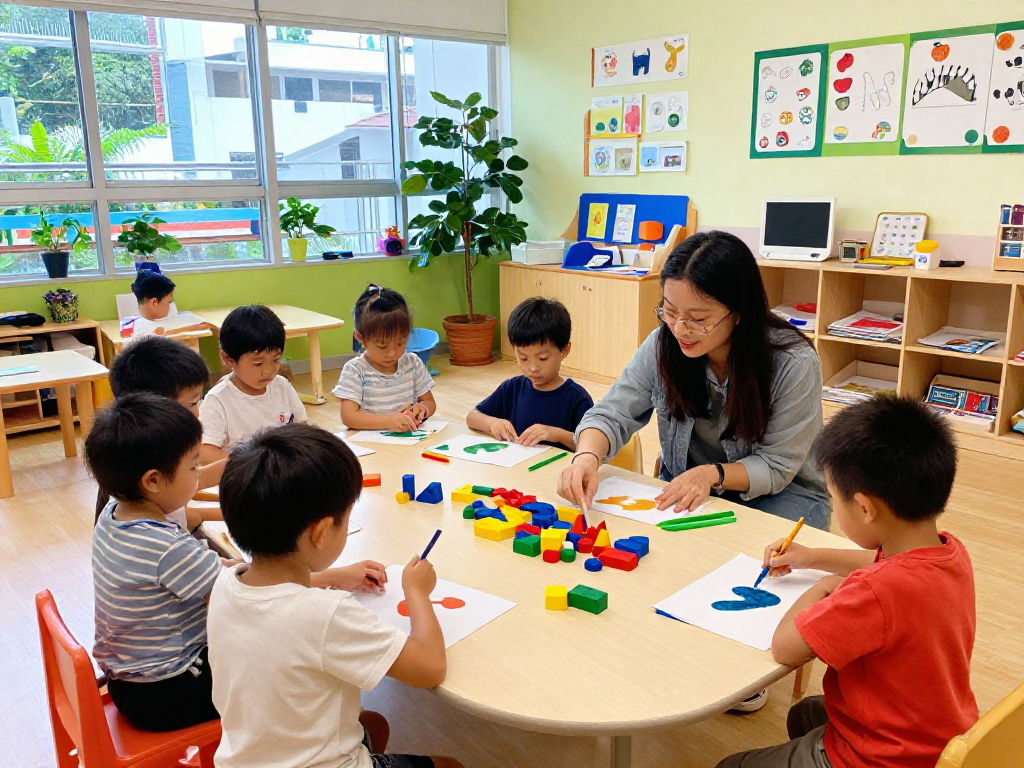
Understanding the Reggio Emilia Approach
The Reggio Emilia approach to early childhood education has gained global recognition for its unique emphasis on child-led learning and the importance of a nurturing environment. At Pegasus International Preschool, we incorporate these principles to foster a love for learning among our students. By understanding the core elements of the Reggio Emilia philosophy, parents can make informed decisions regarding their child's educational journey. For those exploring options in this educational style, Reggio Emilia Preschool Singapore offers comprehensive insights into this enriching framework.
What is the Reggio Emilia Philosophy?
The Reggio Emilia philosophy is rooted in the belief that children are innate learners, capable of shaping their education through exploration and inquiry. Named after the Italian city where this educational movement began, it emphasizes the role of the environment as a third teacher, alongside parents and educators. This approach values collaboration, communication, and community, fostering an atmosphere where children's voices are heard and respected.
Key Principles of Reggio Emilia Learning
- Child-Centered Learning: Education is built around the interests and experiences of the children.
- The Environment as a Teacher: Classrooms are designed to engage children's curiosity and promote exploration.
- Parental Involvement: Families are considered partners in the educational process, with opportunities to engage in the learning journey.
- Documentation: Children’s work and progress are documented, allowing reflection and deeper understanding of their learning.
Impact on Child Development
Research indicates that the Reggio Emilia approach positively impacts various aspects of child development. By engaging children in inquiry-based learning, they develop critical thinking skills, creativity, and emotional intelligence. This holistic development fosters self-confidence and prepares children for future academic and social challenges.
Benefits of Choosing a Reggio Emilia Preschool
Choosing a Reggio Emilia preschool like Pegasus International Preschool offers numerous benefits that align with a child's natural learning processes. These advantages are enhanced by our commitment to creating an engaging, supportive environment where children can thrive.
Holistic Development Focus
At Pegasus, we recognize that child development encompasses far more than academic success. Our curriculum is designed to nurture cognitive, emotional, social, and physical growth. This comprehensive focus ensures that every child develops skills that lead to lifelong learning and personal fulfillment.
Inquiry-Based Learning Advantages
Inquiry-based learning allows children to take charge of their educational journey. By encouraging questions and exploration, we help children develop a deep understanding of the world around them. This method promotes not only academic skills but also fosters traits such as resilience and independence.
Parental Involvement in Education
In the Reggio Emilia approach, parents are seen as integral partners in their child's education. We encourage families to participate in school activities, share experiences, and collaborate with educators. This strong home-school connection enriches the learning experience and supports children's development.
Comparative Analysis of Top Reggio Emilia Preschools in Singapore
There are several Reggio Emilia preschools across Singapore, each offering unique features and strengths. Understanding the variations among these institutions can help parents choose the best fit for their children.
Ranking Criteria for Preschools
- Curriculum Quality: Evaluating how well the curriculum aligns with Reggio Emilia principles.
- Teacher Qualifications: Assessing the training and experience of educators in implementing the approach.
- Facilities: Looking at the learning environment, including indoor and outdoor spaces.
- Parental Engagement: Analyzing how schools involve parents in the educational process.
Top Features to Look for
When selecting a Reggio Emilia preschool, parents should look for certain key features:
- Flexible and adaptive curriculum.
- Strong emphasis on communication and collaboration.
- Opportunities for children to work on long-term projects.
- Focus on artistic expression and creativity.
Case Studies of Successful Preschools
Examining case studies of successful Reggio Emilia preschools can provide valuable insights. For example, many institutions emphasize community involvement, integrating local culture and parent feedback into their programs, which enhances the learning experience.
Challenges in Implementing Reggio Emilia Practices
While the Reggio Emilia approach is widely regarded as beneficial, there are challenges in its implementation that educators and administrators must navigate.
Common Misconceptions about Reggio Emilia
One of the main misconceptions is that the Reggio Emilia approach lacks structure. In reality, it is carefully designed, balancing freedom with guidance to ensure effective learning.
Overcoming Implementation Hurdles
Challenges may arise in training teachers and maintaining consistency across classrooms. Continuous professional development and open communication among staff can help overcome these hurdles.
Best Practices for Educators
Educators are encouraged to embrace flexibility, continuously document children’s learning, and involve parents in decision-making processes. These practices help build a thriving educational community.
Future Trends for Reggio Emilia Preschools in 2026
The landscape of early childhood education is evolving, and Reggio Emilia preschools are adapting to these changes to remain relevant and effective.
Innovative Teaching Strategies
Preschools are increasingly using project-based learning and interdisciplinary approaches that encourage children to make connections across various subjects. This innovation enhances critical thinking and problem-solving skills among young learners.
Integration of Technology in Learning
While the Reggio Emilia approach values hands-on experience, incorporating technology thoughtfully can enrich the learning environment. Digital tools may facilitate documentation and expand children’s access to information.
Global Influence on Local Practices
As the Reggio Emilia approach gains popularity worldwide, local practices are increasingly influenced by international best practices. This integration helps foster a more diverse learning environment for children.
What makes a Reggio Emilia Preschool unique?
A Reggio Emilia preschool is distinguished by its child-centric approach, allowing children to direct their learning through inquiry and exploration. This method cultivates creativity, independence, and a lifelong love for learning.
How to support your child’s learning journey?
Parents can support their child's learning journey by engaging in conversations about their interests, providing resources for exploration, and participating in school activities. This collaborative approach enhances the educational experience.
Are Reggio Emilia preschools suitable for all children?
Yes, the Reggio Emilia approach is adaptable and can cater to various learning styles and personalities. With its focus on individuality, each child’s unique needs can be addressed effectively.
What are the costs of enrolling in a Reggio Emilia preschool?
While costs may vary, it's essential for parents to consider the value of the holistic education provided. Many preschools offer flexible payment plans to accommodate families.