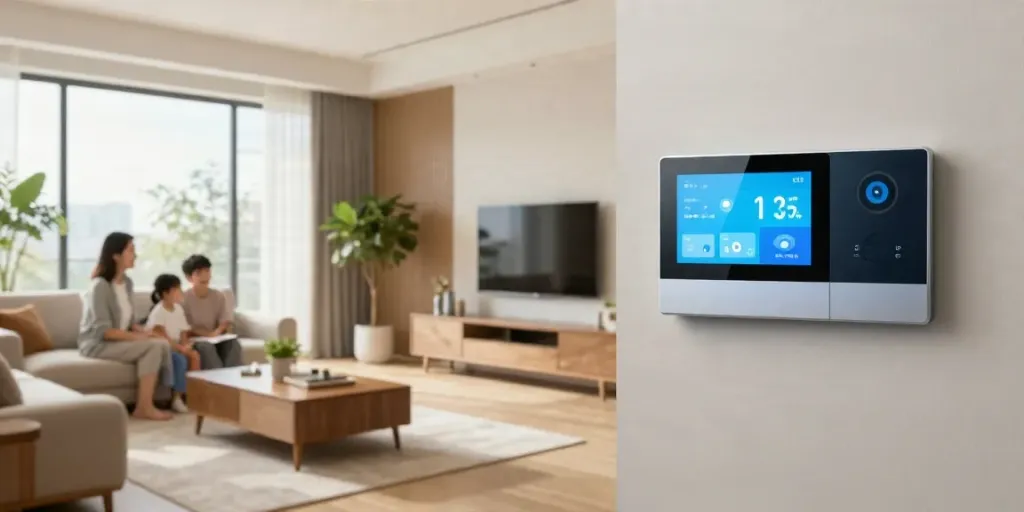
Introduction to Smart Home Technologies
As we venture further into the digital age, the concept of smart homes has transitioned from a futuristic dream to a present-day reality. The integration of advanced technology in our living spaces promises not only to enhance convenience but also to transform the way we interact with our homes. From automated lighting to intelligent temperature control, smart home technologies cater to a growing desire for efficiency and comfort. Among the frontrunners in this innovative landscape is جهان اسمارت, a company dedicated to revolutionizing our everyday living environments through cutting-edge smart solutions.
What is a Smart Home?
A smart home utilizes internet-connected devices to facilitate remote management and monitoring of systems and appliances. This includes everything from security systems, heating and cooling systems, lighting, and even kitchen appliances. The backbone of smart home technology lies in its ability to allow homeowners to control these devices through smartphones, tablets, or voice assistants.
At its core, a smart home is about enhancing quality of life by automating mundane tasks, providing valuable insights into energy usage, and ensuring a higher level of security. By linking devices via a central hub, homeowners can create a seamless experience that caters to their individual needs.
Key Benefits of Smart Home Solutions
Smart home technologies offer numerous benefits that appeal to a wide array of consumers. Here are some of the key advantages:
- Convenience: Smart devices can be controlled from anywhere at any time, allowing homeowners to manage their environments easily.
- Energy Efficiency: Automated systems optimize energy usage, leading to reduced utility bills and a smaller environmental footprint.
- Enhanced Security: Smart security systems provide real-time alerts and monitoring, offering peace of mind to homeowners.
- Comfort: With personalized settings, users can create environments that suit their preferences, from temperature adjustments to customizable lighting.
Understanding the Ecosystem of Automation
The smart home ecosystem is composed of various interconnected devices that communicate through wireless networks. Key components of this ecosystem include:
- Smart Hubs: These devices serve as the central control point for all connected devices, enabling communication and automation.
- Smart Sensors: Sensors monitor different conditions within the home, such as temperature, humidity, and movement.
- Smart Appliances: From refrigerators to washing machines, many household appliances now offer smart functions for enhanced convenience.
The Impact of جهان اسمارت on Modern Living
As the demand for smart home solutions escalates, companies like جهان اسمارت are at the forefront of innovating home automation technology. Their offerings extend beyond mere convenience; they profoundly impact our daily lives by creating environments that are responsive and tailored to the users’ needs.
Seamless Integration of Smart Devices
One of the primary benefits of collaborating with a company like جهان اسمارت is the seamless integration of various smart devices. This comprehensive approach ensures that all components work harmoniously, providing an intuitive user experience. By focusing on interoperability, users can manage multiple devices through a single interface, eliminating the frustration of juggling various applications and systems.
Enhancing Energy Efficiency with Automation
Energy efficiency is a significant concern for many homeowners. Smart home technologies from جهان اسمارت help optimize energy consumption by automating lighting, temperature, and appliance usage. For example, programmable thermostats can learn user preferences and adjust heating or cooling accordingly, reducing energy waste while maintaining comfort.
Real-life Applications and Success Stories
Numerous success stories demonstrate the transformative effects of smart home technologies. Homeowners have reported reduced energy bills, increased property value, and enhanced security, all thanks to their smart systems. For instance, families with smart lighting solutions have experienced improved safety at night, while remote workspaces have become more efficient through automated settings.
Choosing the Right Smart Home Solutions
With an abundance of options available, choosing the right smart home solutions can be daunting. It's essential to consider various factors to ensure selected systems align with your lifestyle and goals.
Critical Factors to Consider
When evaluating smart home solutions, consider the following:
- Compatibility: Ensure that the devices you intend to install will work with your existing systems or each other.
- Scalability: Look for solutions that can expand as your needs evolve. Opt for systems that allow for additional devices to be integrated easily.
- Ease of Use: Choose products with user-friendly interfaces that facilitate straightforward installation and day-to-day operation.
Comparing Different Technologies
Different technologies and standards exist within the smart home market, such as Zigbee, Z-Wave, and Wi-Fi. Each has its advantages and limitations, making it crucial to compare them based on your home’s needs and infrastructure.
How to Evaluate Brand Offerings
When selecting a brand, consider customer reviews, the range of products offered, and the company’s reputation in the smart home industry. Established brands may provide more reliable support and better-integrated systems than lesser-known options.
Installation and Maintenance of Smart Home Systems
Proper installation and maintenance are vital to ensuring that your smart home solutions function optimally. Understanding the installation process can aid in making informed decisions.
Step-by-step Installation Guide
The installation process generally involves the following steps:
- Planning: Assess which devices and systems you wish to install based on your needs.
- Preparation: Ensure your home has the necessary Wi-Fi coverage and infrastructure to support smart devices.
- Installation: Follow manufacturer's instructions for installing each device or hire a professional if necessary.
- Configuration: Set up your smart devices through their respective applications, ensuring they are connected to the central hub.
Common Issues and Troubleshooting Tips
Even with the best systems, you may encounter issues. Common problems include connectivity issues, lag in responsiveness, or device malfunctions. Having a troubleshooting guide and understanding basic fixes can save time and frustration. Additionally, reaching out to customer support can provide valuable solutions.
Long-term Maintenance Best Practices
To ensure longevity and optimal performance of smart home devices, consider the following maintenance best practices:
- Regularly update software and firmware to benefit from new features and security patches.
- Inspect devices periodically for any signs of wear and connectivity issues.
- Engage with customer support to resolve persistent issues or seek advice on enhancements.
Future Trends in Smart Home Technology by 2026
The smart home landscape is continuously evolving, with emerging trends poised to shape the future of home automation significantly.
Emerging Technologies and Innovations
Technologies such as 5G connectivity, enhanced AI capabilities, and advanced machine learning algorithms are set to greatly enhance smart home systems. These advancements will lead to faster data processing, improved device interaction, and more personalized experiences.
How AI is Shaping Smart Living
Artificial Intelligence is revolutionizing the smart home experience by enabling devices to learn and predict user preferences. As AI technologies advance, smart devices will adapt to individual lifestyles, making homes not just smarter but also more intuitive.
Predictions for Home Automation Market Growth
Market research predicts that the home automation industry will continue to grow rapidly, with increasing consumer awareness driving demand. By 2026, we can expect significant advancements in integration, user experience, and cost reduction for smart devices, making them more accessible to a broader audience.