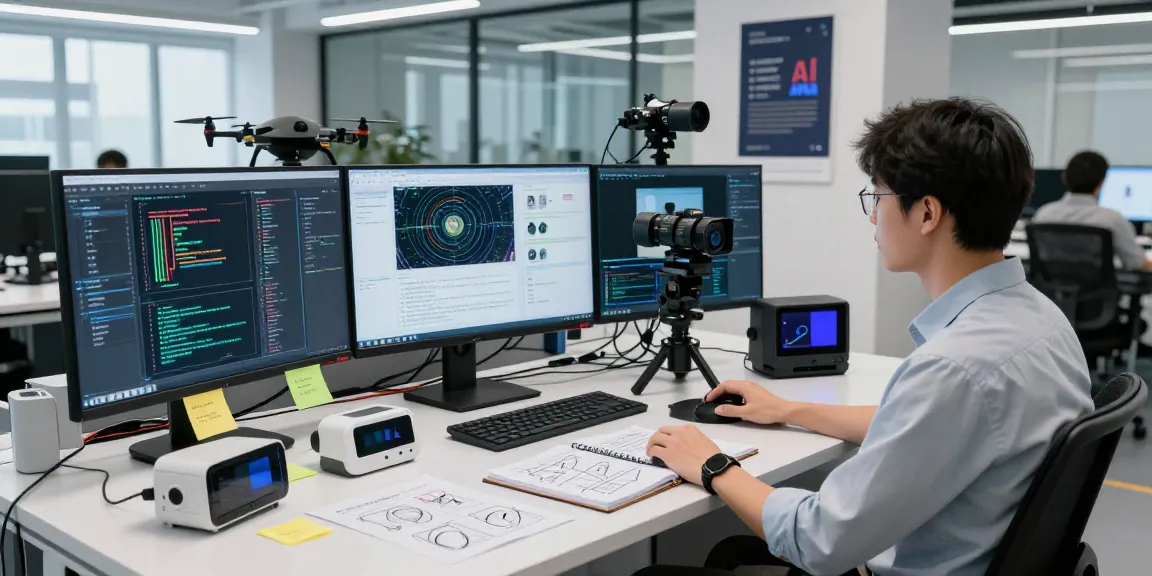
Understanding AI Image Detection Technology
As technology continues to evolve, so too does the need for effective verification tools in the digital landscape. With the rise of artificial intelligence (AI) in image generation, distinguishing between authentic photographs and AI-generated images has become increasingly vital. This need drives the development of AI image detection technologies, designed to analyze and identify the origins of visual content, thus ensuring the integrity of media consumed by audiences worldwide. In this article, we will delve into what AI image detection is, its importance in modern media, and the key technologies that enable its functionality. When exploring options, AI Image Detection provides comprehensive insights into this essential technology.
What is AI Image Detection?
AI image detection refers to the process of using artificial intelligence algorithms and models to determine whether an image has been generated by an AI system or captured through traditional means. This technology leverages machine learning techniques, often trained on large datasets of both authentic and synthetic images, to analyze characteristics such as pixel patterns, metadata, and other subtle cues that differentiate real photos from AI-generated content.
The Importance of AI Image Detection in Modern Media
In a world increasingly dominated by digital content, the authenticity of images plays a crucial role in shaping public opinion and trust. AI image detection tools are essential for various sectors, including journalism, advertising, and social media, where misinformation can spread rapidly. By enabling the detection of AI-generated visuals, media organizations can uphold journalistic integrity, brands can maintain their reputations, and consumers can make informed decisions.
Key Technologies Behind AI Image Detection
Several key technologies drive AI image detection, including:
- Machine Learning Algorithms: These algorithms analyze vast datasets to learn the distinguishing features of AI-generated images versus authentic ones.
- Deep Learning Techniques: Utilizing neural networks, deep learning models can capture complex patterns and nuances in images, improving detection accuracy.
- Computer Vision: This technology allows machines to interpret and understand visual information similarly to humans, which is critical for evaluating image authenticity.
Common Challenges in AI Image Detection
Despite the advancements in AI image detection, challenges remain that can impede effectiveness and accuracy. Understanding these challenges is crucial for developing more reliable solutions.
Misconceptions about AI Image Detection Accuracy
One common misconception is that AI image detection tools are infallible; however, this is far from the truth. These tools may produce false positives or negatives depending on various factors, including the sophistication of the AI used to generate images and the complexity of the detection algorithms.
Technical Limitations and Solutions
Technical limitations in AI image detection often stem from the evolving nature of both AI image generation technologies and detection capabilities. Continuous training and updates of detection algorithms are necessary to keep pace with advancements in AI. Implementing ensemble methods that combine multiple detection algorithms can enhance accuracy.
Ethical Considerations in AI Image Detection
Ethical considerations play a significant role in the deployment of AI image detection technologies. The potential for misuse of detection tools—such as censorship or surveillance—raises questions about privacy and freedom of expression. Developers and companies must navigate these ethical waters carefully to ensure that their technologies promote transparency without infringing on rights.
Best Practices for Implementing AI Image Detection
To effectively implement AI image detection within an organization, several best practices should be followed to maximize accuracy and efficiency.
Choosing the Right Tools and Software
Selecting appropriate AI image detection tools is paramount. Organizations should evaluate software based on accuracy, speed, and ease of integration with existing workflows. It is beneficial to test multiple tools and gather user feedback to determine the best fit.
Developing Effective Workflows for Detection
Creating structured workflows that incorporate AI image detection at critical junctions—such as content creation, editing, and publication—can enhance the reliability of media outputs. Clearly defined protocols for image verification can reduce the risk of disseminating misleading visuals.
Training Teams on AI Image Detection Technologies
Educating teams about AI image detection technologies is essential to ensure that staff can effectively leverage these tools. Regular training sessions and updates on technological advancements enable personnel to remain vigilant against the risks associated with misleading images.
Real-World Applications of AI Image Detection
AI image detection has seen widespread application across various industries, each harnessing the technology to protect authenticity and integrity.
Case Studies: Success Stories in Various Industries
Numerous organizations have successfully implemented AI image detection tools. For instance, news agencies use these technologies to verify the authenticity of images sourced from social media before publication. In the advertising sector, brands utilize detection tools to ensure that promotional content remains credible and trustworthy.
Comparative Analysis of AI Image Detection Tools
Several AI image detection tools are available, each with unique features and capabilities. A comparative analysis of tools such as ZeroGPT, Sightengine, and WasItAI can provide insights into their effectiveness, user interface, and integration capabilities, helping businesses make informed decisions.
Impact on Advertising and Media Integrity
The introduction of AI image detection tools has profoundly impacted the media's integrity. By curbing the spread of manipulated images, these tools foster a more truthful media landscape, where consumers can trust the imagery they encounter.
Future Trends in AI Image Detection for 2026
Looking ahead, the future of AI image detection is poised for significant growth and transformation, driven by technological advancements and increasing demands for media authenticity.
Emerging Technologies and Innovations
Emerging technologies, such as blockchain for image verification and enhanced neural network architectures, are expected to revolutionize AI image detection. These innovations aim to provide immutable proof of image authenticity, further bolstering trust in digital content.
Predictions for AI Image Detection Accuracy and Adoption
As AI detection technologies evolve, we can anticipate increased accuracy rates, potentially mitigating current limitations. The ongoing integration of AI detection software into mainstream digital platforms may also enhance its adoption across industries.
Preparing for the Future of Image Verification
Organizations need to prepare for the future of image verification by adopting proactive strategies, investing in continuous education, and staying updated on technological developments. Building a culture of skepticism towards unverified images can also promote vigilance.
What Are the Most Common Use Cases for AI Image Detection?
Common use cases for AI image detection span several sectors, including journalism for verifying news images, e-commerce to prevent the use of fake product images, and academia for ensuring the authenticity of research publications.
How Can Businesses Benefit from AI Image Detection?
Businesses can leverage AI image detection to enhance their reputation, safeguard brand integrity, and inform marketing strategies by ensuring the authenticity of their visual content. The ability to verify images before dissemination reduces the risk of misinformation and builds trust with consumers.
What Role Does AI Image Detection Play in Media Ethics?
AI image detection plays a critical role in media ethics by promoting transparency and factual reporting. By verifying the authenticity of visual content, organizations can uphold ethical journalism standards and prevent the spread of fake news.
What Are the Limitations of Current AI Image Detection Tools?
Despite their utility, current AI image detection tools face limitations, such as varying degrees of accuracy, susceptibility to evolving AI generation techniques, and challenges in distinguishing context or intent behind images.
How to Improve AI Image Detection Accuracy?
Improving AI image detection accuracy may involve regular algorithm updates, training on diverse datasets, and employing hybrid models that combine different detection strategies. Collaboration within the tech community can also facilitate shared advancements.
Are There Free Tools for AI Image Detection?
Yes, several free AI image detection tools are available for users ranging from casual consumers to media professionals. While these tools may not always offer the same level of accuracy as paid solutions, they provide a valuable starting point for image verification.